
I Logged My Gamblerina Casino Sessions for Three Months Canada Data
By Laura Puga
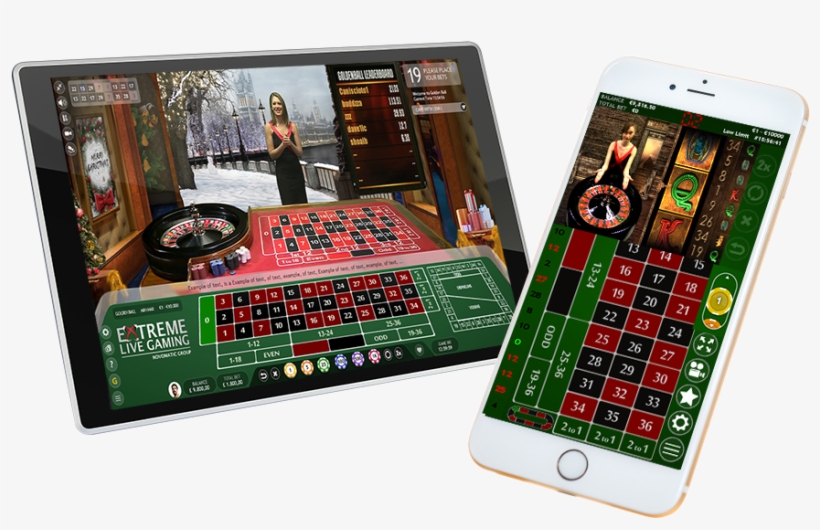
Canadian online gaming is packed with flashy ads and big promises, but you don’t see much honest, personal data from real play https://gamblerina.it.com/. I aimed to know what actually takes place when someone plays regularly, not just for one night. So I decided to run my own experiment. For three straight months, I tracked every single time I played at Gamblerina Casino, recording every deposit, spin, win, and loss. I chose Gamblerina because it’s available here in Canada and has a typical mix of games and features. This isn’t an ad. It’s a journal, built from numbers. I logged over ninety days of action to turn my own experience into solid metrics. My aim is to show the real rhythms of online play, to help other Canadian players see what bankroll management actually looks like, spot their own emotional triggers, and understand what they really receive from their time and money.
The Rationale Behind a 90-Day Tracking Project
90 days felt like the right commitment. A single session is just chance. A week is still too erratic. A full quarter, though, covers different moods, paydays, and impulses. It shows your real habits. I used only Gamblerina Casino to keep everything consistent. Using different sites would have confused the data, making game performance or cashout times difficult to compare fairly. For a Canadian player, this meant everything was in Canadian dollars, and any lag or customer service questions came from a domestic connection. My method was basic but disciplined. I used a spreadsheet to log the start and end time of each session, the exact games I played, my balance when I started and finished, the total amount I wagered, and the net result. I also wrote down why I was playing each time—things like «bored after work,» «trying to clear the bonus,» or «planned Friday night fun.» Adding that «why» to the «what» helped me identify the patterns behind the numbers.
Analysis of Game Performance: What Was Effective and What Failed
Looking at the results of particular Gamblerina games gave me the most useful data. The data divided games into well-defined categories: some were for enjoyment, others were for keeping your bankroll alive. Classic table games were the steadiest. Blackjack, where I applied basic strategy, ensured my losses minimal. I never had a massive win, but my sessions lasted longer and the net loss each time was small. This is understandable given their lower house edge. Slots were a story of extremes. The high-volatility games provided me with my Month One jackpot, but they also triggered the Month Two collapse. Their long dry spells consumed my session budget long before any bonus round would trigger. Medium-volatility slots were a better compromise. They provided features and payouts frequently enough to keep the session exciting without wrecking my funds. Live dealer games were fun for the social feel, but their faster pace and higher minimum bets usually exhausted my session budget faster. One clear finding: my mood dictated my game choice. If I logged in anxious or fatigued, I’d choose familiar, high-volatility slots. Those sessions repeatedly had the most negative outcomes.
- Blackjack & Roulette (European): These offered me the most extended sessions and the most predictable, gradual results. They’re perfect for controlled entertainment.
- Medium-Volatility Video Slots: This group found the best balance. Bonus features hit frequently enough, and payouts were reasonable, which assisted my bankroll keep stable.
- High-Volatility Progressive Slots: They gave my largest single win and my worst losing streaks. You need a dedicated «fun budget» for these.
- Live Dealer Games: Captivating but quick. They demanded the tightest time limits to stop my budget from evaporating.
The Psychological and Habitual Traits Discovered
The figures were one thing, but the recorded behaviors were more telling. Compelling myself to document each session provided a moment of reflection. It broke the trance-like, habitual state that can cause issues. I saw my cues clearly. Playing while tired or right after a difficult workday almost always meant longer sessions and bigger bets. I was unconsciously attempting to force a win to change my mood. Alternatively, sessions I planned for a weekend evening, considering them purposeful amusement, were more entertaining and I followed my limits. The logs revealed the power of the ‘near-miss’ in slots. Observing two bonus icons align would trigger a couple more spins, which frequently violated my time limit. Another big surprise was how distorted my time perception grew. A session that felt short frequently turned out to be 90 minutes on the stopwatch. That distortion demonstrates why an outside timer is crucial. For players in Canada, where it’s legal and accessible, these internal and external aspects act as your genuine protections.
Setting Up the Foundation and Money Plan
I defined rules before I started, following responsible gambling ideas to keep the information reliable. I started with a dedicated $500 bankroll, money I was prepared with risking. I placed everything at Gamblerina immediately. I couldn’t deposit additional funds later. If the $500 went to zero, the experiment would conclude. That was a fundamental measure for sustainability. I gave myself a weekly loss limit of $125 and utilized a kitchen timer to cap sessions at 90 minutes. I also chose in advance to accept Gamblerina’s welcome bonus, merely to observe how those famous wagering requirements really are experienced when you’re attempting to satisfy them. My core operating rules were non-negotiable:
- Log the session the moment it finished.
- Choose games based on my logged mood, not just mindless play.
- No depositing extra to recoup losses after a bad run.
- Submit a withdrawal as soon as my balance climbed above the initial $500 deposit.
Such structure forced discipline. It separated the project from careless play and allowed me assess if fundamental pre-commitment strategies, the kind always recommended to Canadian players, truly are effective.
Monthly Breakdown: Wins, Losses, and Major Trends
The story the data told was less straightforward than just profit or loss. Month One was careful and unexpectedly lucky. Beginning with my $500 and the bonus funds, I played low-variance slots and some table games. Out of nowhere, a session on a popular progressive slot hit for $230. My balance finished the month at $891. That «beginner’s luck» left a real psychological mark. Month Two was the crash. Sensing confident from the early win, I increased my bet sizes up and attempted more high-volatility games. The result was a brutal series of fast losses. It erased all my profits and dug into the original $500. I ended the month at $412. This period showed me how the perception of «house money» works, and how variance can reverse your fortune overnight. Month Three was a return to discipline. I returned to small bets, centered on games with higher published RTPs, and followed the timer. Things steadied. I had small, frequent losses with modest wins in between. The slow climb raised my final balance to $537. So after three months, I was up a net $37 from my first deposit. But that small profit resulted after cycling hundreds of dollars through the machine.
Cashouts, Bonuses, and the Actual Worth of Promotions
Navigating Gamblerina’s cashier and bonuses taught me practical insights. I processed two cashouts: once after the Month One climax, and once more at the very finish. The system was simple. The primary withdrawal needed validation, which is standard KYC process for safety in Canada. The rate varied by method. An e-Transfer appeared in my account within a day. A bank wire required four business days. My experience with the welcome bonus was mixed. The extra funds provided me with more playtime, but the 35x wagering requirement on the bonus money controlled my game choices for the majority of Month One. I was restricted to particular games to clear the requirement. I monitored my progress and noticed that even after my big win, a huge portion of that bonus cash got cycled back through the wager condition before it turned into real money I could cash out. This showed bonuses aren’t free cash. They are a mechanism that extends your gaming and increases your exposure, with complicated conditions you have to grasp thoroughly.
Actionable Takeaways for Canada’s Players
After several months of tracking, I have specific advice for any player in Canada. First, your most effective tool is a session log. Just recording your start time, end time, game, and result creates accountability. It highlights you patterns you’re blind to in the moment. Second, your bankroll must be a dedicated fund. Let its size determine your bet size. My data shows that kicking off with bets at 1-2% of your session budget (like $1 spins on a $100 budget) makes your money last longer and your time more enjoyable. Third, match your game choice to your goal. If you want amusement with minimal loss, pick low-house-edge table games or low-volatility slots. If you’re buying a lottery ticket for a big win, set aside a small, separate fund for high-volatility games and anticipate to lose it. Finally, read every bonus offer like a contract. Calculate the real wagering cost based on the games you like. Never let the bonus push you into playing longer or betting higher than your own rules allow. The data is clear. Consistent, controlled play based on self-awareness is the only strategy that works for sustainable entertainment online.